Have you ever tasted a condiment so vibrant it transforms your entire meal? Beetroot chutney is exactly that kind of dish. This colorful Indian spread combines earthy sweetness with tangy spice to create something truly special. Beetroot chutney is a cooked or blended condiment made from beetroot, aromatics, acid, and warming spices that balance its natural sweetness. In South Indian kitchens, this chutney (often called beetroot pachadi) appears alongside idli, dosa, rice, and flatbreads almost daily.
At Ni Market, Denver’s largest Vietnamese and Asian grocery store, you’ll find everything you need to make this authentic condiment from scratch. This article will guide you through the complete process of creating beetroot chutney at home, from selecting fresh beetroot to mastering the traditional tempering technique that makes South Indian versions so delicious.
What is beetroot chutney and why you’ll love it
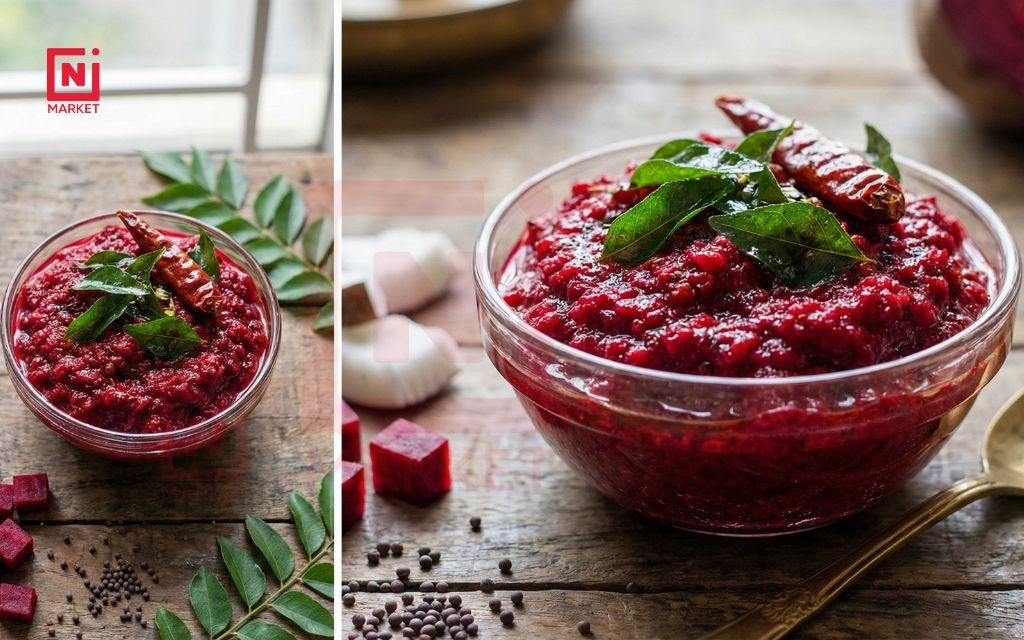
Beetroot chutney is a traditional Indian condiment that brings together simple ingredients in a surprisingly complex way. Fresh beetroot forms the base, cooked until tender and blended with garlic, chilies, and aromatic spices. The result tastes earthy, subtly sweet, tangy, and just spicy enough to wake up your palate.
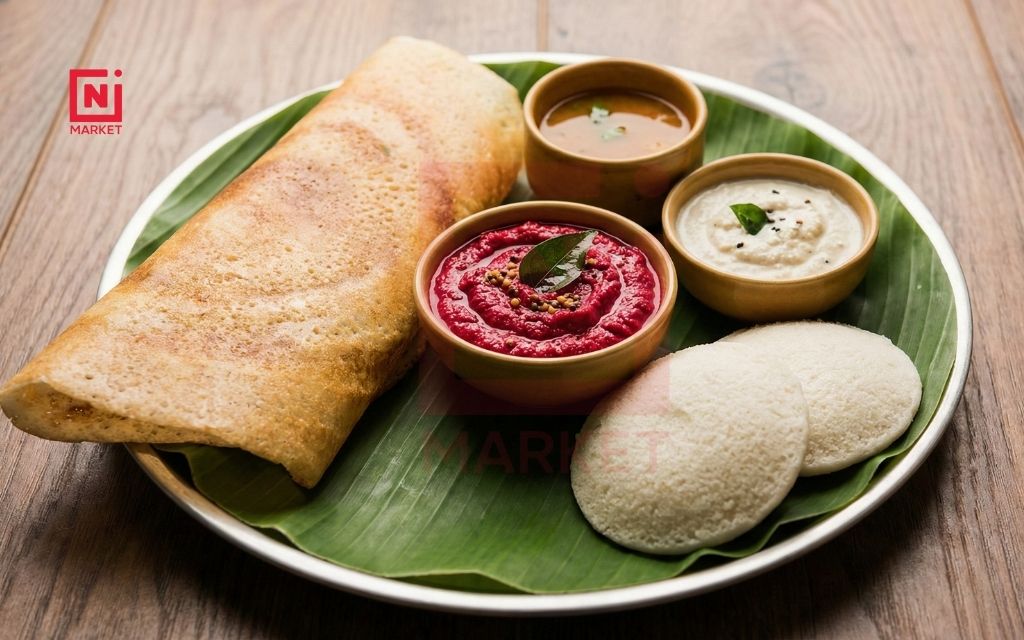
In Indian cuisine, particularly Andhra and South Indian cooking, this chutney serves the same essential role as tomato chutney or coconut chutney. It ties together your entire plate with bright, bold flavor. You can serve beetroot chutney with rice, idli, dosa, pongal, paratha, or even use it as a colorful spread for sandwiches and cheese boards.
What makes beetroot chutney special:
| Feature | Benefit |
| Intense ruby color | Creates visually striking presentations on thalis and brunch tables |
| Naturally vegetarian | Often gluten-free and easily made vegan |
| Affordable ingredients | Uses simple root vegetables available year-round |
| Versatile pairing | Works with both Indian meals and Western-style dishes |
| Long shelf life | Keeps well in refrigerator for meal prep |
The best part? Beetroot chutney uses an affordable root vegetable that most grocers carry, but the authentic spices and fresh curry leaves you’ll find at Asian markets like Ni Market elevate it from ordinary to extraordinary.
The cultural story behind South Indian beetroot pachadi
South Indian families have been making vegetable chutneys for generations as a practical way to preserve seasonal produce. Beetroot pachadi specifically became popular because beetroot grows well in cooler months and transforms beautifully when paired with traditional tempering spices.
The tempering technique is what sets South Indian beetroot chutney apart. Cooks heat oil and add urad dal and chana dal, frying them until golden and aromatic. Then they add mustard seeds, curry leaves, and dried red chilies, creating a nutty, crunchy layer that gets folded into the chutney or poured on top right before serving. Many South Indian cooks consider this tempering step essential to the complete chutney experience.
Beyond India, beetroot chutney has found fans worldwide. Home cooks love it on cheese boards, with charcuterie, alongside smoked fish, and as a colorful condiment for holiday roasts. Some fusion recipes add orange, capers, or fruit vinegars to create chutneys that bridge Indian technique with Western flavors.
Visit Ni Market in Denver for the freshest curry leaves, lentils, and authentic Asian spices that make traditional beetroot pachadi possible.
How to make beetroot chutney: step-by-step guide
Making beetroot chutney at home is surprisingly simple when you have the right ingredients. Here’s how to create an authentic Indian-style version.
Gather your ingredients
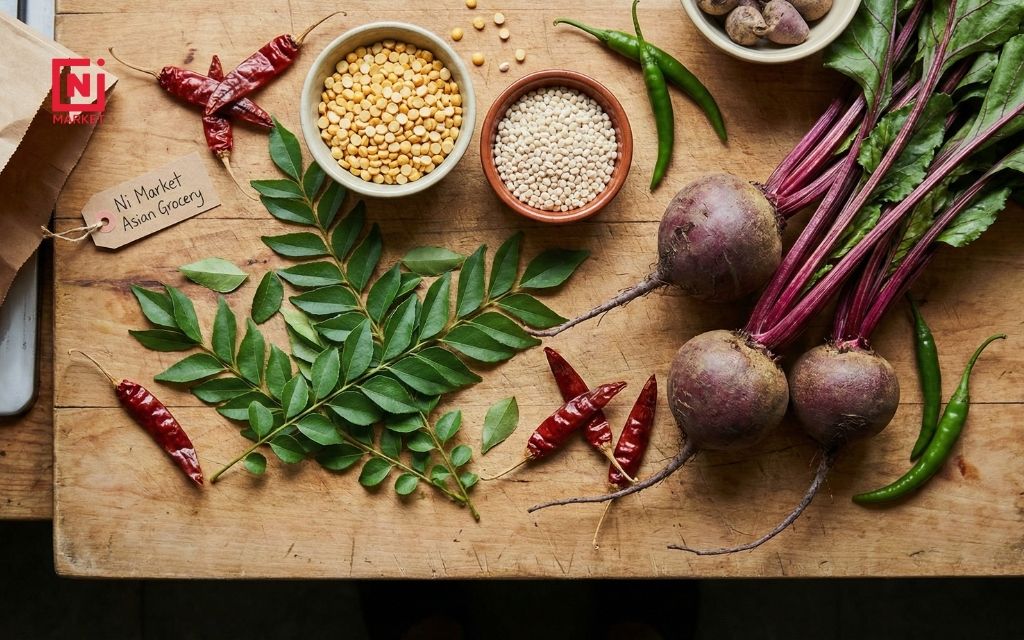
For the main chutney:
- 1 medium beetroot, peeled and cubed
- 1 small onion, sliced (optional)
- 3-4 garlic cloves, peeled
- 2-3 dried red chilies
- Fresh ginger (1-inch piece)
- 1 tablespoon urad dal
- 1 tablespoon chana dal
- Fresh curry leaves (8-10 leaves)
- Salt to taste
- Lemon juice or vinegar (1-2 tablespoons)
- Neutral cooking oil
For tempering (optional but delicious):
- 1 teaspoon mustard seeds
- Additional curry leaves
- Pinch of asafoetida
You can buy fresh beetroot Denver Asian market shoppers trust at Ni Market, along with all the lentils and spices you need.
Prepare the vegetables
Start by peeling your beetroot. Cut it into small, even cubes so it cooks quickly and uniformly. Slice your onion if using, peel the garlic cloves, and gather your dried red chilies and fresh curry leaves.
Fresh curry leaves make a significant difference in authentic South Indian beetroot chutney. The leaves add a distinctive aroma you simply cannot replicate with dried versions.
Fry the lentils and aromatics
Heat about 2 tablespoons of oil in a heavy pan over medium heat. Add the urad dal and chana dal, stirring constantly until they turn golden brown and smell nutty. This usually takes 2-3 minutes.
Add your dried red chilies, garlic cloves, and curry leaves to the same pan. Cook until the curry leaves turn crisp and the garlic becomes fragrant. If you like heat, you can add green chilies at this stage too.
Cook the beetroot
In the same pan or a fresh one, add a bit more oil if needed. Toss in your cubed beetroot and sauté over medium heat. The beetroot has enough natural moisture that you typically don’t need much added water. Season lightly with salt while cooking.
Cook until the beetroot becomes just tender when pierced with a fork. This usually takes 8-10 minutes. You want it soft enough to blend but not mushy.
Blend into smooth chutney
Let everything cool for a few minutes. Transfer the cooked beetroot, fried lentils, chilies, garlic, and curry leaves to a blender or food processor. Add lemon juice or a splash of mild vinegar.
Blend to your preferred consistency. Some people like Indian beetroot chutney for dosa smooth and creamy, while others prefer it slightly coarse with visible texture. Add water a tablespoon at a time if you need to thin it out.
Taste and adjust the salt and spice levels. The chutney should taste earthy and sweet from the beetroot, tangy from the acid, and balanced with gentle heat.
Add finishing tempering
For the most authentic South Indian beetroot pachadi, make a final tempering. Heat a small amount of oil in a pan until it shimmers. Add mustard seeds and let them pop and crackle. Toss in a few more fresh curry leaves and a pinch of asafoetida if you use it.
Pour this hot, sizzling tempering right over your beetroot chutney just before serving. The oil carries the aromatic flavors throughout the condiment.
Serving ideas and creative pairings
Beetroot chutney works beautifully across many different meals and occasions. Here are some ways to enjoy it:
Traditional Indian pairings:
- With crispy dosa and fluffy idli for breakfast
- Alongside steamed rice for lunch or dinner
- As a side dish for idli, dosa, pongal, and paratha
- With uttapam and other savory South Indian pancakes
- Served on a thali with other small vegetable dishes
Creative modern uses:
- Spread inside sandwiches and wraps for color and flavor
- Dolloped on grain bowls and buddha bowls
- Paired with cheese boards and charcuterie
- Served with grilled tofu or roasted vegetables
- Used as a colorful condiment for cold meats
- Spread on crackers for appetizers
The earthy sweet flavor of beetroot with spice makes this chutney surprisingly versatile. It pairs well with mild foods that need a flavor boost and holds its own alongside rich, savory dishes.
Shop wholesale or retail at Ni Market for fresh quality you can taste in every batch of homemade chutney.
Tips for choosing and storing beetroot
Selecting fresh beetroot:
Look for firm beetroots with smooth skin and no soft spots. The greens (if attached) should look fresh and vibrant, not wilted. Medium-sized beets tend to be sweeter and more tender than very large ones.
At Ni Market, you’ll find fresh beetroot hand-selected daily alongside other premium vegetables. Our produce team updates inventory constantly to ensure you get the best quality.
Storing your chutney:
Once your Andhra style beetroot chutney for rice and dosa cools completely, transfer it to a clean, airtight glass jar. Store in the refrigerator where it will keep for several days to a few weeks depending on the vinegar and sugar content.
Always use a clean, dry spoon when scooping out chutney. This prevents contamination and helps it last longer. If you notice any off smells or mold, discard the chutney immediately.
For meal prep fans, beetroot chutney is perfect for making in small batches. Prepare a jar on Sunday and enjoy it throughout the week with various meals.
Where to find authentic ingredients in Denver
Creating authentic beetroot chutney starts with quality ingredients. At Ni Market, Denver’s premier Vietnamese and Asian grocery store, you’ll find everything you need under one roof.
What Ni Market offers:
- Fresh beetroot and seasonal vegetables
- Curry leaves, both fresh and dried
- Urad dal, chana dal, and other lentils
- Dried red chilies and green chilies
- Mustard seeds, asafoetida, and Indian spices
- Quality vinegars and cooking oils
- More than 500 authentic Vietnamese and Asian products
Denver families and restaurants have trusted Ni Market for over 25 years. We serve both retail customers and wholesale clients, including more than 500 local restaurants. Our location at 1045 S Federal Blvd offers convenient access to authentic Asian ingredients you won’t find at conventional grocery stores.
Whether you need ingredients for easy beetroot chutney with garlic and curry leaves or you’re planning a full Indian feast, Ni Market has you covered. Visit our Vietnamese grocery store Denver Federal Blvd location in person or order online at https://ni.market/ for the freshest ingredients delivered to your door.
Find this ingredient and more at Ni Market today.
FAQs about beetroot chutney
Is beetroot chutney healthy?
Beetroot chutney is naturally packed with nutrients from the beetroot itself, including fiber, folate, and manganese. Most recipes are vegetarian and vegan Indian condiments that contain no animal products. They’re also typically gluten-free since they use vegetables, lentils, and spices without any wheat-based ingredients. The tempering adds healthy fats from oil and protein from lentils.
How long does homemade chutney last?
When stored properly in a clean, airtight jar in the refrigerator, beetroot chutney typically lasts 5-7 days. If you add more vinegar or sugar, it can last up to 2-3 weeks. Some cooks preserve it in small batch chutney in sterilized jars using traditional canning methods for even longer storage. Always check for signs of spoilage before eating.
Where can I buy fresh curry leaves in Denver?
Fresh curry leaves are available at Ni Market on South Federal Blvd. We stock them regularly along with other fresh Indian and Asian herbs. Many conventional grocery stores don’t carry fresh curry leaves, which is why Asian markets become essential for authentic Indian cooking. Visit Ni Market in Denver for the freshest curry leaves and other Asian ingredients.
What other vegetable chutney ideas work well?
Beyond beetroot, you can make delicious chutneys with tomatoes, coconut, peanuts, mint, coriander, ginger, carrot, and bell peppers. Each vegetable chutney ideas for idli dosa brings different flavors and colors to your meal. The tempering technique remains similar across most South Indian vegetable chutneys, giving them that characteristic nutty, aromatic quality.
Can I use beetroot chutney on cheese boards?
Definitely. The colorful beetroot chutney for idli and dosa lunchbox also works beautifully on Western-style cheese boards. Its sweet and tangy profile pairs especially well with sharp cheddar, creamy brie, aged gouda, and fresh goat cheese. The vibrant color makes it visually striking next to crackers, nuts, and dried fruit. Some cooks make spiced beetroot and orange chutney with Indian spices specifically for holiday entertaining.
Can I make beetroot chutney without coconut?
Yes, absolutely. Traditional South Indian beetroot pachadi often skips coconut entirely, relying instead on lentils, garlic, and spices for body and flavor. The recipe above shows how to make beetroot pachadi without coconut. If you want a coconut version, you can add fresh grated coconut or desiccated coconut during the blending step.
Conclusion
Beetroot chutney brings vibrant color and bold flavor to any meal, whether you’re serving a traditional South Indian breakfast or hosting a modern cheese board gathering. With fresh beetroot, authentic curry leaves, and quality lentils from Ni Market, you can create this versatile condiment right in your own kitchen. The process is straightforward, the ingredients are affordable, and the results taste restaurant-quality every time.
For all your Indian chutney recipes with beetroot and other savory beetroot recipes for rice and roti, Ni Market stands ready as your trusted source. We offer fresh produce selected daily, authentic Asian condiments Denver wholesale and retail customers rely on, and the kind of personal service that comes from 25 years serving Denver’s diverse food community.Discover authentic flavors only at Ni Market, Denver. Visit us at 1045 S Federal Blvd or explore our full selection online. Whether you’re cooking for your family or sourcing ingredients for your restaurant, we’re here to help you create delicious, authentic meals.