Have you ever tasted a warm bowl of Indian dal and felt instantly at home? That creamy, golden comfort often comes from mung daal, one of the most beloved legumes in South Asian cooking. This dish is made from whole green mung beans that have been hulled and split into small yellow halves. It cooks quickly, absorbs spices beautifully, and delivers a mild, slightly sweet flavor that works in everything from weeknight soups to traditional kitchari.
For home cooks in Denver exploring Asian and Indian flavors, mung daal is one of the easiest and most rewarding places to start. Whether you are cooking for your family, meal-prepping for the week, or following an Ayurvedic reset, this little legume delivers big results. At Ni Market, Denver’s largest Asian grocery and wholesale market, you will find quality mung daal, spices, basmati rice, and all the pantry essentials to bring these dishes to life at home.
What is mung daal?
Mung daal, also spelled moong dal or yellow mung dal, comes from whole green mung beans that have been hulled and split. The result is a small, flat, pale yellow lentil-like ingredient that cooks into a velvety, creamy texture.
Here is a quick breakdown of what makes mung daal stand out from other legumes:
| Feature | Mung Daal |
| Source | Hulled and split green mung beans |
| Color | Pale yellow |
| Flavor | Mild, slightly sweet |
| Texture when cooked | Soft, creamy, velvety |
| Cooking time | 25 to 30 minutes (stovetop) |
| Soaking required | No |
| Diet compatibility | Vegan, gluten free, Ayurvedic |
Compared to other yellow split pulses like chana dal or yellow split peas, this dish requires less soaking and cooks in a much shorter time. That makes it a go-to choice for busy weeknight vegetarian dinners and quick-cooking lentil meals.
Why this dish has been a kitchen staple for centuries
Mung daal is more than just a convenient pantry ingredient. Across India and South Asia, it is deeply woven into daily cooking and cultural tradition.
Everyday comfort food
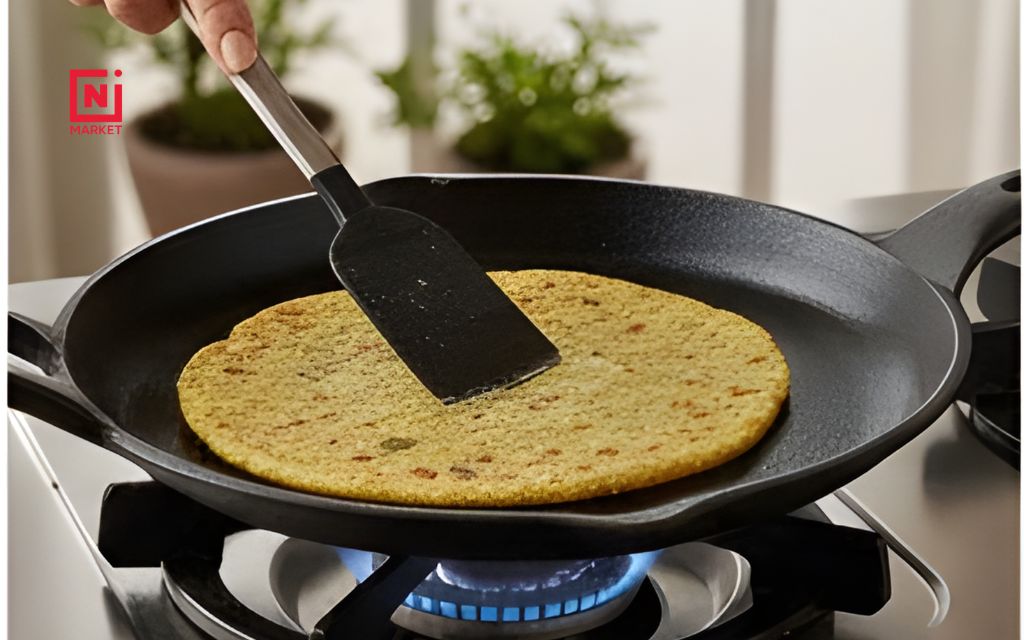
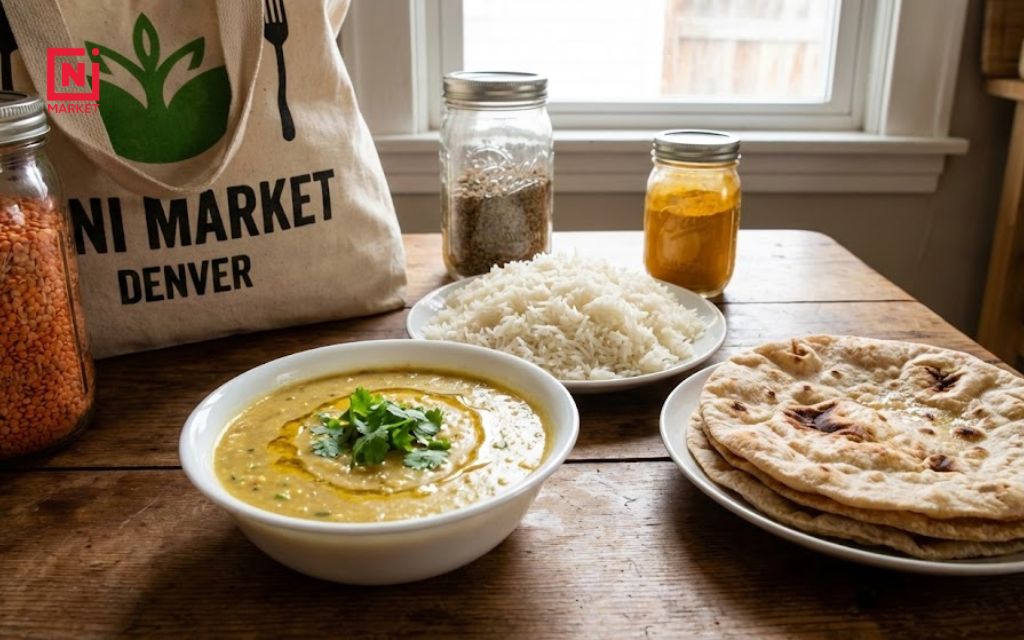
In many Indian households, a pot of mung daal simmering on the stove signals a nourishing, restorative meal. It is served with steamed basmati rice, roti or paratha, papad, and a spoonful of pickle or yogurt. Simple, satisfying, and deeply familiar.
A healing legume in Ayurvedic cooking
In Ayurveda, mung daal is considered one of the most sattvic and easy-to-digest legumes available. Its cooling, soothing quality is believed to calm inflammation and support liver and spleen health while gently detoxifying the body. This is why mung daal plays a starring role in kitchari, a one-pot dish of mung daal and rice used in Ayurvedic cleanses and seasonal resets.
Modern nutrition benefits
From a nutritional standpoint, mung daal delivers plant-based protein, high fiber, and key minerals in every bowl. It is associated with supporting blood sugar balance, heart health, and digestive health. It fits naturally into gluten-free meal planning and plant-based diets without feeling heavy or overly processed.
Versatility beyond the dal bowl
Whole mung beans can be sprouted and used in chaats and fresh salads, while split mung daal shines in creamy dals and comforting soups. That range of uses makes it one of the most versatile legumes in the Asian lentils, rice, and grains aisle.
How to cook mung daal at home: step-by-step guide
Cooking mung daal is straightforward, even for first-timers. Follow these steps for a simple, delicious result.
Ingredients (serves 4)
| Ingredient | Amount |
| Yellow mung dal | 1 cup |
| Water | 3 cups |
| Tomato, chopped | 1 medium |
| Turmeric | 1/2 tsp |
| Salt | To taste |
| Oil or ghee | 2 tbsp |
| Garlic, minced | 3 cloves |
| Cumin seeds | 1 tsp |
| Ginger, grated | 1 tsp |
| Green chili (optional) | 1, sliced |
| Fresh cilantro | For garnish |
Step-by-step cooking instructions
- Step 1: Rinse the dal Place 1 cup of mung daal in a bowl and rinse under cold water until the water runs clear. This removes surface starch and any dust.
- Step 2: Simmer until soft Add the rinsed dal to a pot with 3 cups of water, turmeric, salt, and chopped tomato. Bring to a boil, then reduce to a gentle simmer. Cook uncovered for 25 to 30 minutes, stirring occasionally, until the dal is soft and creamy. For a faster result, use a pressure cooker and cook for 3 to 4 whistles.
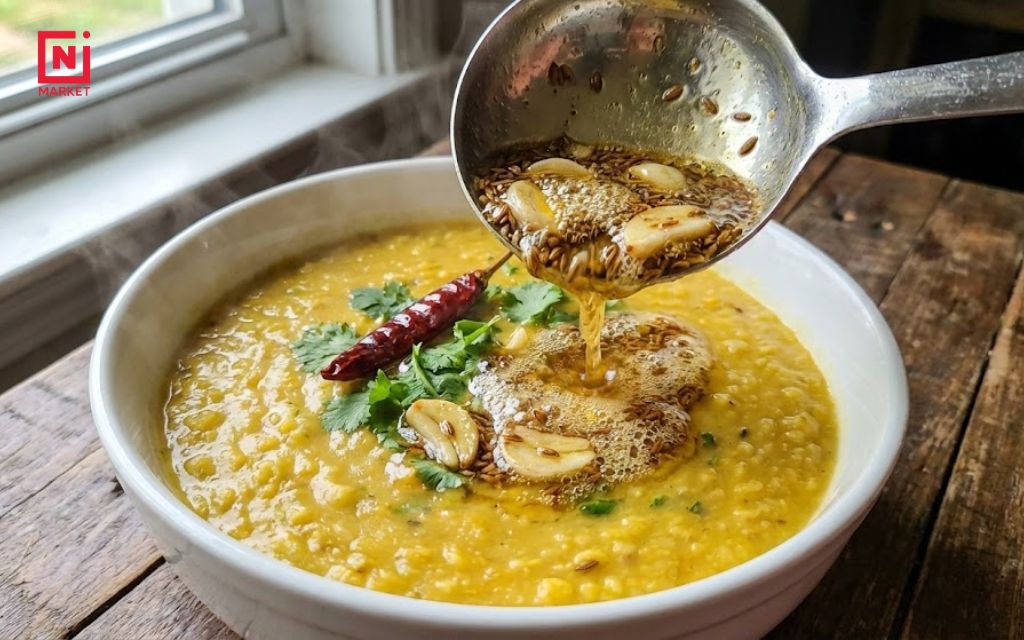
- Step 3: Make the tadka (seasoned oil) In a small pan, heat ghee or oil over medium heat. Add cumin seeds and let them sizzle for 30 seconds. Add minced garlic and grated ginger and cook until golden and fragrant, about 1 minute. Add sliced green chili if using.
- Step 4: Combine and finish Pour the hot tadka directly over the cooked mung daal and stir to combine. Taste and adjust salt.
- Step 5: Serve Ladle into bowls and garnish with fresh cilantro. Serve with steamed basmati rice, jeera rice, or paratha for a complete, satisfying meal.
Pro tip: For a 30-minute mung daal recipe on busy weeknights, skip soaking entirely. Yellow mung dal cooks without pre-soaking, making it one of the quickest high-fiber lentils in your pantry.
Ways to use mung daal beyond the basic dal
Once you are comfortable with the classic dal fry recipe, here are a few more ways to use mung daal at home:
- Kitchari Combine mung daal with basmati rice, turmeric, cumin, coriander, and ginger in one pot for a traditional Ayurvedic kitchari. This dish is used in Ayurvedic kitchari cleanses, recovery diets, and as a gentle meal when someone is feeling unwell.
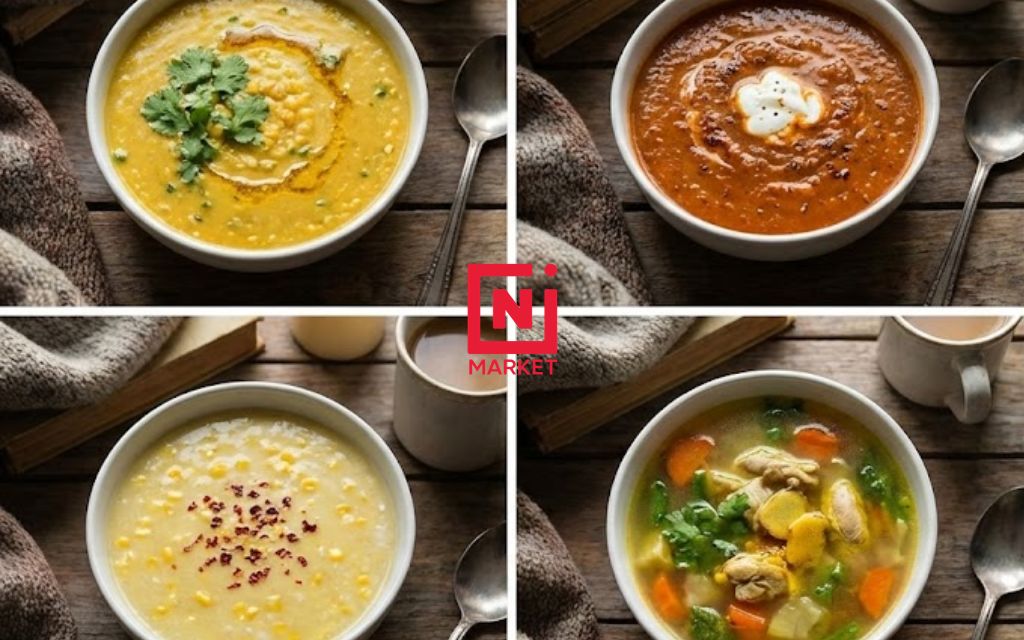
- Mung dal soup Cook mung daal in vegetable broth with garlic, ginger, and leafy greens for a light, anti-inflammatory soup. This works well for healthy mung dal meal prep throughout the week.
- Vegan mung dal curry Add coconut milk, diced tomatoes, and curry spices to your cooked dal for a richer, vegan mung dal curry recipe that pairs well with roti or steamed rice.
- Baby and toddler food Mung daal’s soft texture and mild flavor make it one of the most recommended first legume foods for babies and toddlers. Cook it plain with a pinch of turmeric and ghee for a gentle, protein-rich meal.
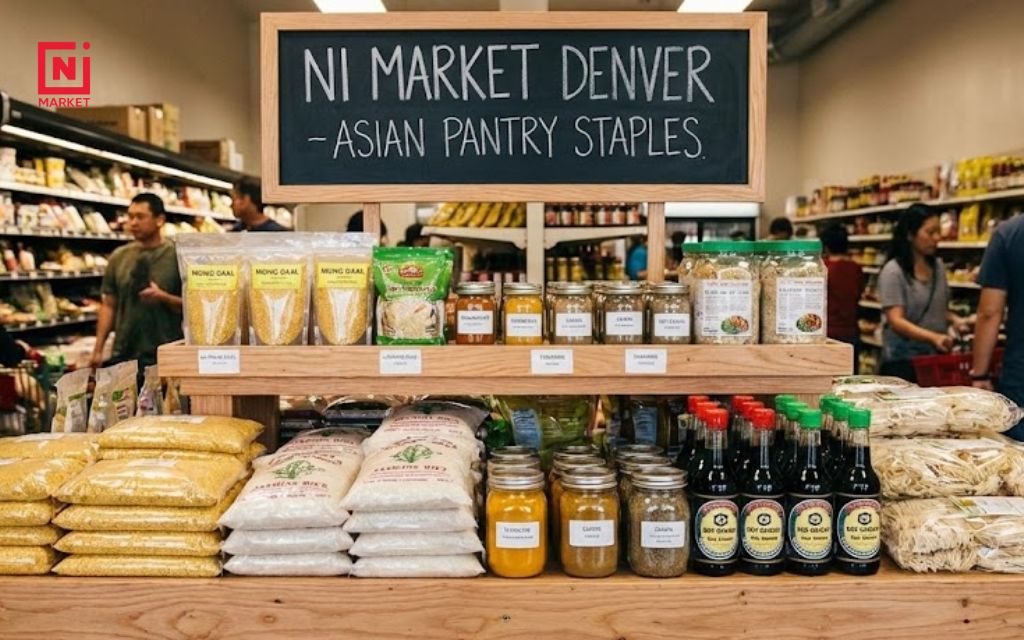
Visit Ni Market in Denver for the freshest mung daal and other Asian ingredients, including basmati rice, ghee, chutneys, pickles, and frozen flatbreads, all in one place.
Where to buy mung daal in Denver
Finding authentic mung daal in Denver is easy when you know where to shop. At Ni Market, Denver’s largest Asian grocery store, you will find high-quality yellow mung dal, split mung beans, and bulk options for families and wholesale buyers.
Why shop at Ni Market for mung daal?
- Wide selection of South Asian and Asian pantry staples, including mung daal in multiple sizes
- Bulk and wholesale options for restaurants, meal prep services, and large households
- Trusted brands sourced for quality and freshness
- Friendly, knowledgeable staff ready to help you find the right dal, rice, and spices
Whether you are searching for mung dal near me, mung dal bulk buy options, or mung dal wholesale Denver pricing for your restaurant, Ni Market has you covered.
Shop wholesale or retail. Fresh quality you can taste. Explore our full range of Asian groceries at https://ni.market/ or visit our Denver store today.
FAQs about mung daal
1. What is mung daal made from?
Mung daal is made from whole green mung beans that have been hulled and split into pale yellow halves. It cooks quickly into a soft, creamy texture with a mild, slightly sweet flavor.
2. Is mung daal healthy and gluten free?
Yes. Mung daal is naturally gluten free, rich in plant-based protein and fiber, and widely regarded as one of the easiest legumes to digest, especially in Ayurvedic cooking.
3. How long does mung daal take to cook?
Yellow mung dal cooks in 25 to 30 minutes on the stovetop without any soaking. In a pressure cooker, it is ready in 3 to 4 whistles.
4. Where can I buy mung daal in Denver?
You can find fresh, quality mung daal at Ni Market, Denver’s largest Asian grocery and wholesale store. Visit the store or shop online at https://ni.market/.
5. What dishes go well with mung daal?
Mung daal pairs well with steamed basmati rice, jeera rice, roti, paratha, papad, yogurt, and pickles for a complete and satisfying meal.
6. Can I use mung daal in a kitchari recipe?
Absolutely. Mung daal is the key ingredient in traditional kitchari, a one-pot mung dal and rice dish used in Ayurvedic home cooking and seasonal cleanses.
Conclusion
Mung daal is one of those rare pantry staples that earns its place in every kitchen. It cooks quickly, tastes comforting, supports healthy digestion, and fits beautifully into plant-based, gluten-free, and Ayurvedic lifestyles. From a simple weeknight bowl of dal fry to a restorative pot of kitchari, this humble split mung bean delivers warmth and nourishment every time.
When you are ready to cook your own pot, find this ingredient and more at Ni Market today. We carry quality mung daal, basmati rice, ghee, spices, chutneys, and everything else on your Asian grocery list.Visit our Denver store or browse our full selection online at our Ni Market website. Discover authentic flavors only at Ni Market, Denver.